Scientist · Author · Director
Scientific Director at Buchinger Wilhelmi Clinics and Research Fellow at King's College London β leading research at the frontier of fasting, gut microbiome, and environmental health.
The Scientist
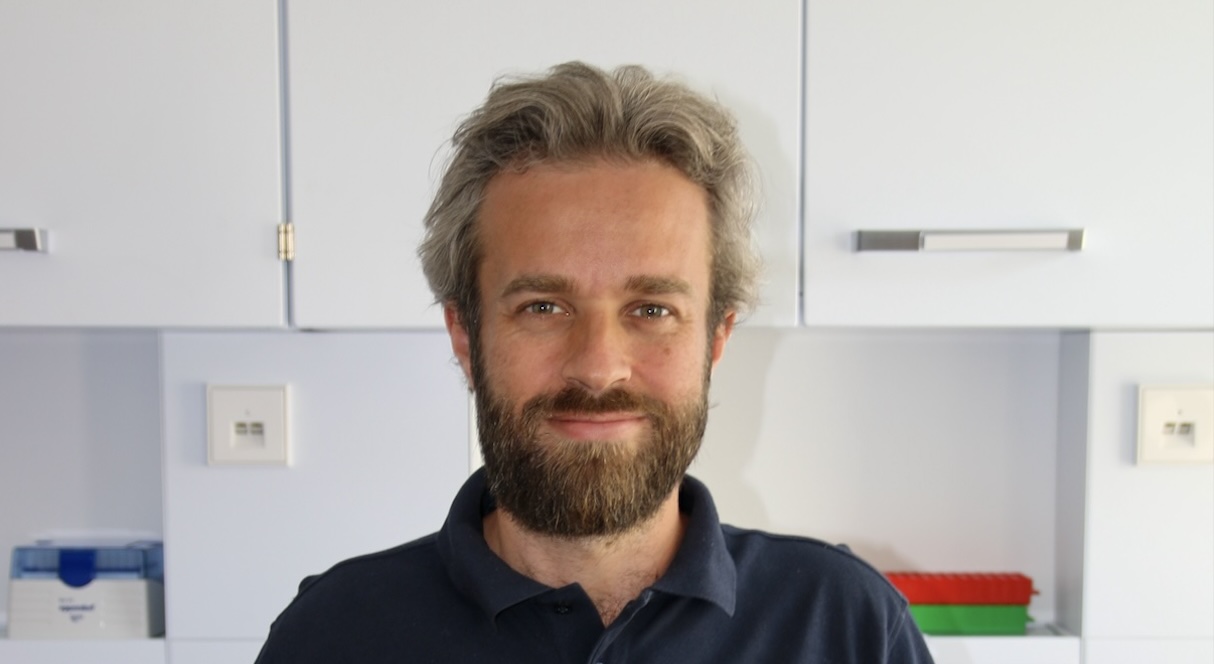
I am Robin Mesnage β a toxicologist, bioinformatician, and research director whose work spans the gut microbiome, therapeutic fasting, and the hidden dangers of everyday chemicals.
With a PhD in toxicology and an MSc in Bioinformatics awarded with highest distinction from Birkbeck University of London, I combine classical laboratory science with large-scale computational analysis to answer questions that matter for public health.
The Impact
Recognised as a top 1% cited scientist worldwide, my research has appeared in leading journals including Environmental Health Perspectives, Nature Metabolism, and Gut Microbes.
I have served as expert adviser to the French government and the European Parliament on chemical pollutants and human health risk assessment β turning laboratory findings into policy-relevant evidence.
The Institutions
As Scientific Director at Buchinger Wilhelmi β the world's foremost centre for therapeutic fasting β I design clinical trials and translate findings into evidence-based protocols used by thousands of patients each year.
In parallel, as Research Fellow at King's College London, I investigate how diet and the gut microbiome interact to shape human metabolism and disease.
"The gut microbiome is the hidden organ that connects what we eat to how we age, how we feel, and how we heal."
Fasting & Longevity
Buchinger Wilhelmi is the world's leading therapeutic fasting clinic, with over a century of clinical practice. I joined as Scientific Director to transform empirical tradition into rigorous, published evidence.
My team analyses data from thousands of supervised fasting programmes β measuring metabolomics, gut microbiome composition, inflammatory markers, and cardiovascular parameters before, during, and after fasting.
What the Data Shows
Seven days of therapeutic fasting produces measurable improvements in body weight, blood pressure, blood glucose, inflammatory markers (CRP), and cholesterol β even in patients with type 2 diabetes.
Our 2025 study demonstrated significant metabolic renewal in patients with obesity-related type 2 diabetes following supervised therapeutic fasting, validating what clinicians at Buchinger Wilhelmi have observed for decades.
The Microbiome Connection
Using shotgun metagenomics β sequencing over 20 million DNA fragments per sample β we discovered that therapeutic fasting dramatically remodels the gut virome, increasing bacteriophages associated with reduced inflammation.
Published in Gut Microbes (2025), this finding opens entirely new avenues for understanding how fasting heals far beyond simple calorie restriction.
The Bigger Picture
Beyond weight loss, we are exploring how calorie restriction and periodic fasting can delay hallmarks of biological ageing β reducing oxidative stress, improving mitochondrial function, and reprogramming epigenetic clocks.
Explore fasting research βPesticide Toxicology
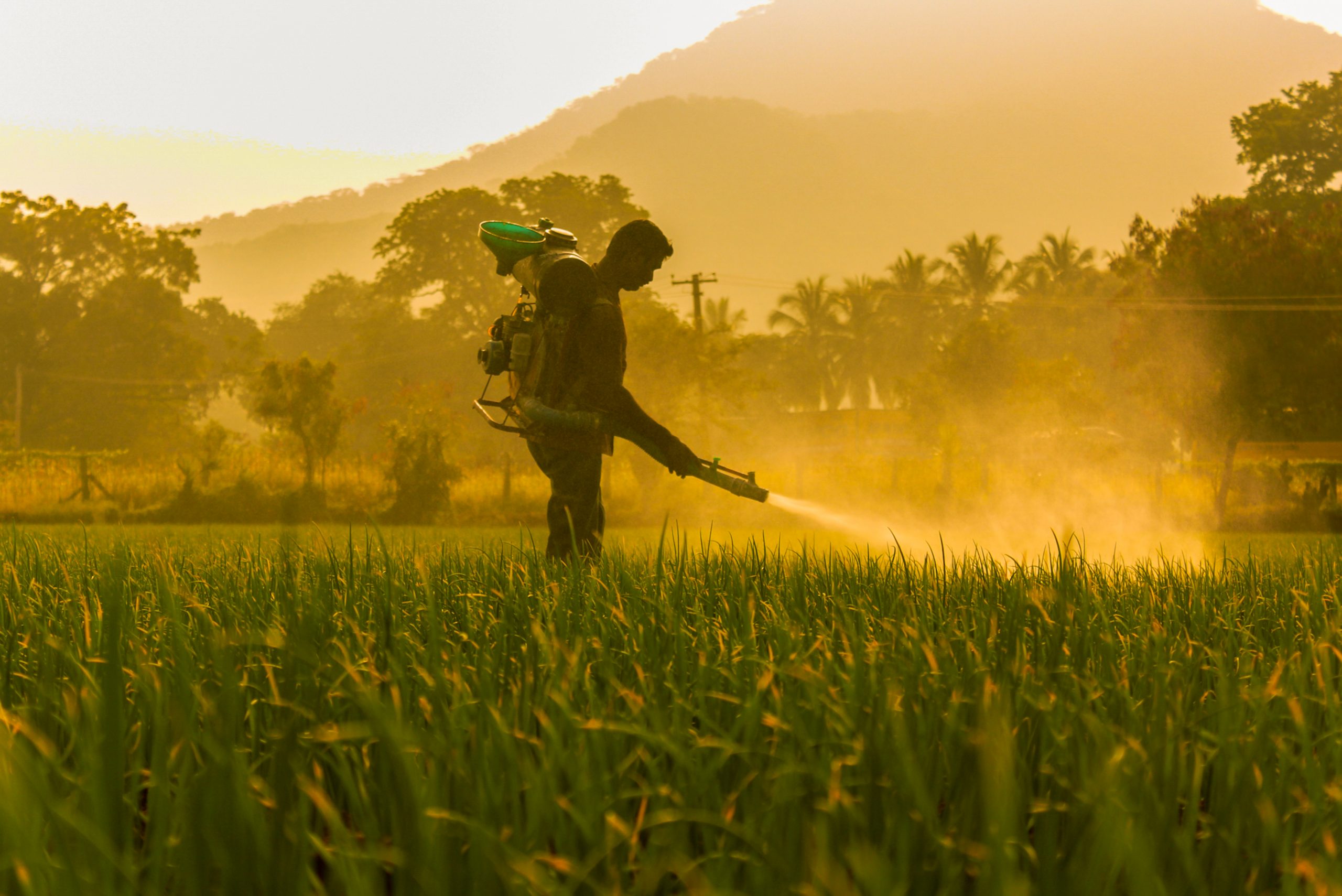
For over a decade I have investigated how agricultural chemicals β glyphosate, herbicide co-formulants, and pesticide mixtures β affect human biology in ways that regulatory assessments have yet to fully acknowledge.
With more than 6,500 citations in this field, my work has helped shift the scientific and regulatory conversation around pesticide safety β from laboratory bench to European Parliament.
A Healthy Gut
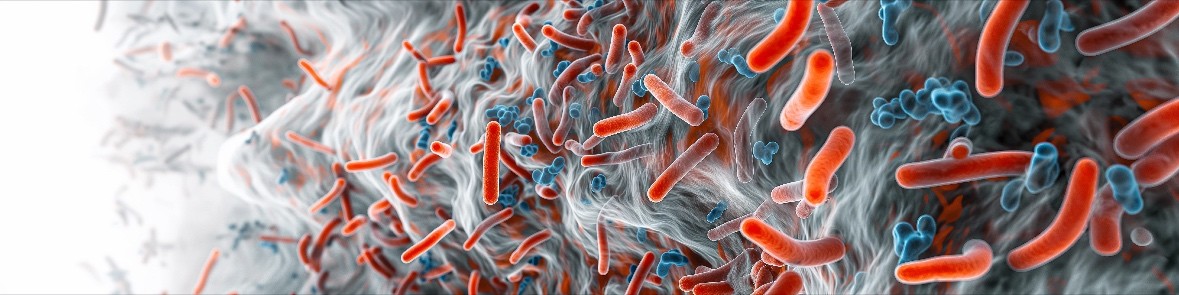
A healthy gut microbiome is extraordinarily diverse β hundreds of bacterial species co-existing in a dynamic ecosystem that shapes immunity, metabolism, and mental health. Disrupting that balance has profound and lasting consequences for human health.
The Microbiome Under Threat
Using shotgun metagenomics, my team showed for the first time that glyphosate and Roundup alter gut microbiome composition β reducing bacterial diversity and promoting dysbiosis at realistic dietary doses.
This work, published in Environmental Health Perspectives β ranked No. 1 in toxicology β was among the first to link herbicide exposure to gut ecosystem disruption, opening a new field of research.
The Cocktail Problem
People are never exposed to a single pesticide in isolation β we encounter dozens simultaneously through food, water, and the environment. Our mixtox research demonstrates that combinations produce synergistic toxic effects impossible to predict by testing each compound alone.
Explore pesticide research βEnvironmental Chemical Safety
Bisphenol A (BPA) was phased out from consumer plastics following evidence of its estrogenic effects. But the alternatives rushed to market β BPAF, BPB, BPZ β appear equally, if not more, problematic.
My research, supported by Breast Cancer UK, characterised the estrogenic potency of BPA replacements using breast cancer cell models β finding that several alternatives are more potent oestrogen mimics than BPA itself.
Plasticizers research βGM Crops & Multi-Omics
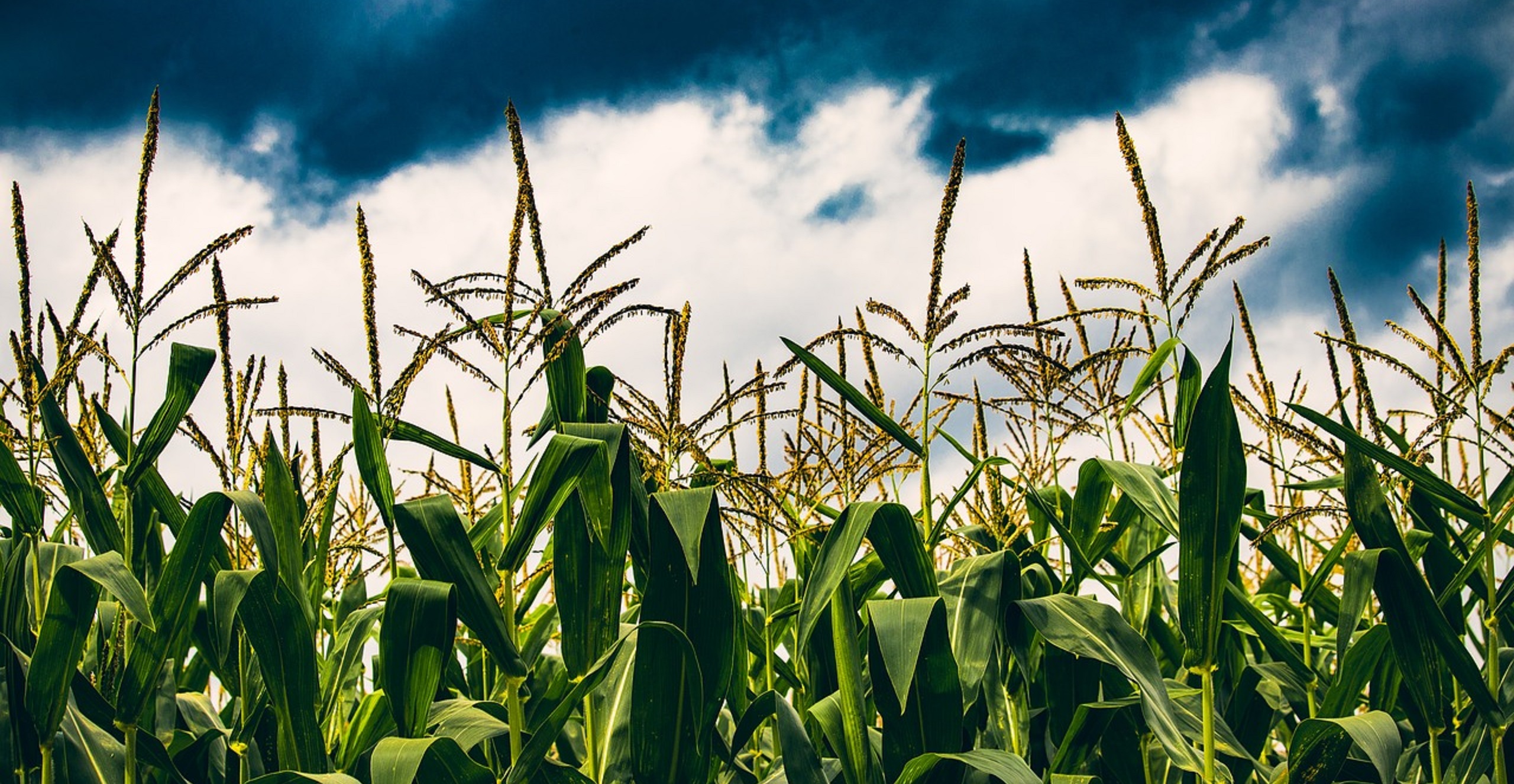
In one of the most comprehensive safety evaluations of a GM crop ever conducted, I co-authored a long-term study analysing the effects of Roundup-tolerant maize on rat health using proteomics, transcriptomics, and metabolomics simultaneously.
This multi-omics approach revealed molecular-level perturbations in liver and kidney function invisible to classical toxicology β demonstrating why standard regulatory testing is insufficient.
GM crops research βThe Book
Edited with Johann Zaller and published by Elsevier in 2021, this reference volume brings together internationally recognised experts to provide the most comprehensive scientific account of herbicide toxicology available today.
View on Elsevier βJourney
Begins doctoral research on pesticide toxicology and cell signalling mechanisms.
Joins the Department of Nutritional Sciences as postdoctoral researcher, beginning microbiome investigations.
Publishes landmark study on glyphosate's effects on the gut microbiome in Environmental Health Perspectives, ranked No. 1 in toxicology.
Awarded highest distinction in MSc Bioinformatics at Birkbeck University of London.
Elsevier publishes Herbicides: Chemistry, Efficacy, Toxicology, and Environmental Impacts, co-edited with Johann Zaller.
Appointed Scientific Director at the world's foremost therapeutic fasting clinic, launching a major clinical research programme.
Publishes major findings on therapeutic fasting in type 2 diabetes and gut virome remodelling.
Explore the research
Browse 100+ publications, read detailed research summaries, or get in touch about collaboration and consulting opportunities.